
 1 hour ago
10
1 hour ago
10
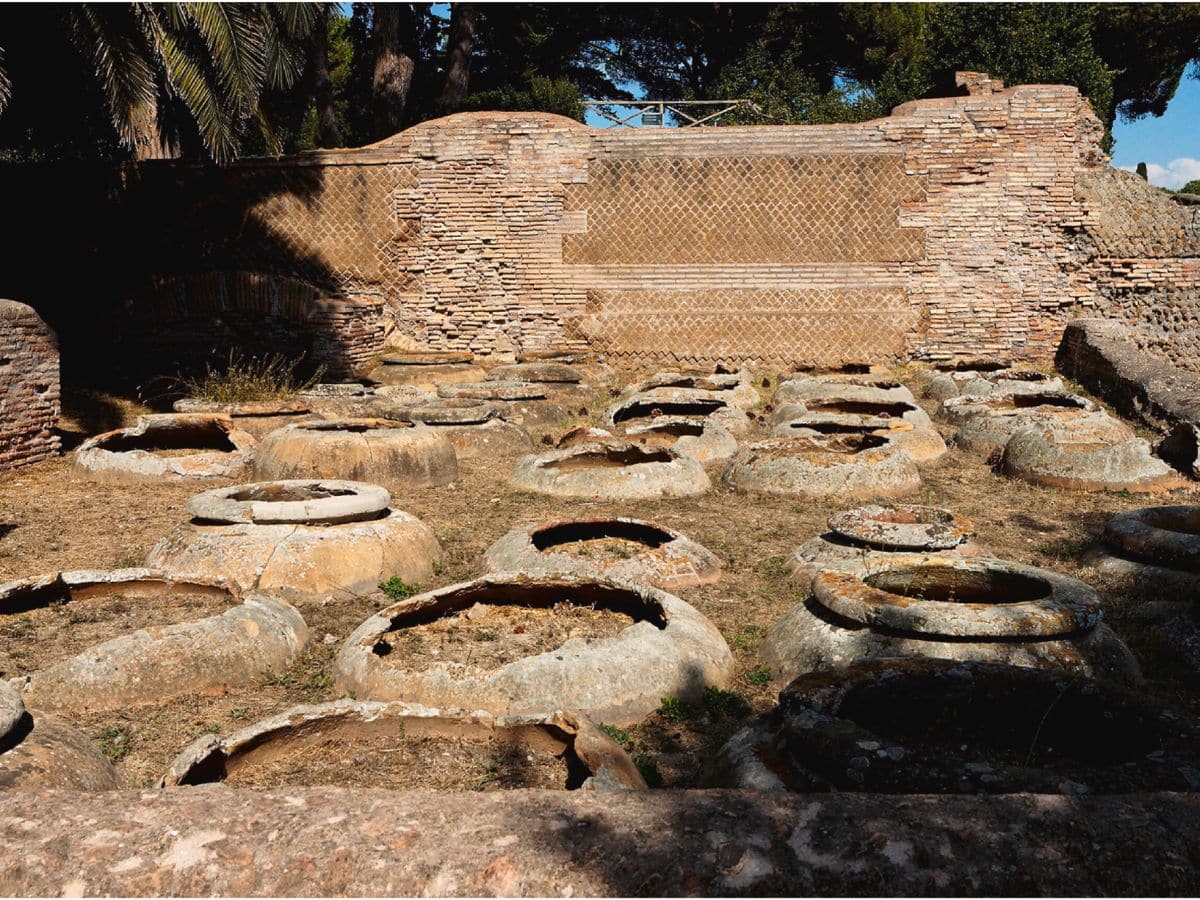 Dolia embedded successful a storeroom. Credit: Caroline Cheung / CC BY-NC-ND 4.0
Scientists person agelong wondered what ancient Romans stored wrong the monolithic ceramic vessels recovered astatine Ostia, the larboard metropolis that erstwhile served arsenic Rome’s commercialized gateway. Now, a survey published successful the Journal of Archaeological Science offers the archetypal technological answers. It points to food condiment arsenic a apt stored commodity and reveals a blase attack to vas repair.
Caroline Cheung of Princeton University’s Department of Classics led the study. Her squad analyzed residues from 8 ample retention jars, known arsenic “dolia,” crossed 3 warehouses. They besides studied metallic reinforcements connected 4 others. Each jar could clasp implicit a 1000 liters (over 264 gallons), and much than 150 inactive basal astatine the tract today.
Ostia’s monolithic Roman vessels yet output their secrets
Using state chromatography-mass spectrometry, researchers detected degraded fatty acids, amino acerb derivatives, and a chemic marker for conifer resin wrong the jars. Pine resin was commonly applied to overgarment retention vessels successful the Roman world.
No markers for wine, specified arsenic tartaric acerb oregon resveratrol, were found. The operation of degraded proteins, lipids, and resin lining is accordant with food condiment storage, though Cheung cautioned that the chemic grounds unsocial is not definitive.
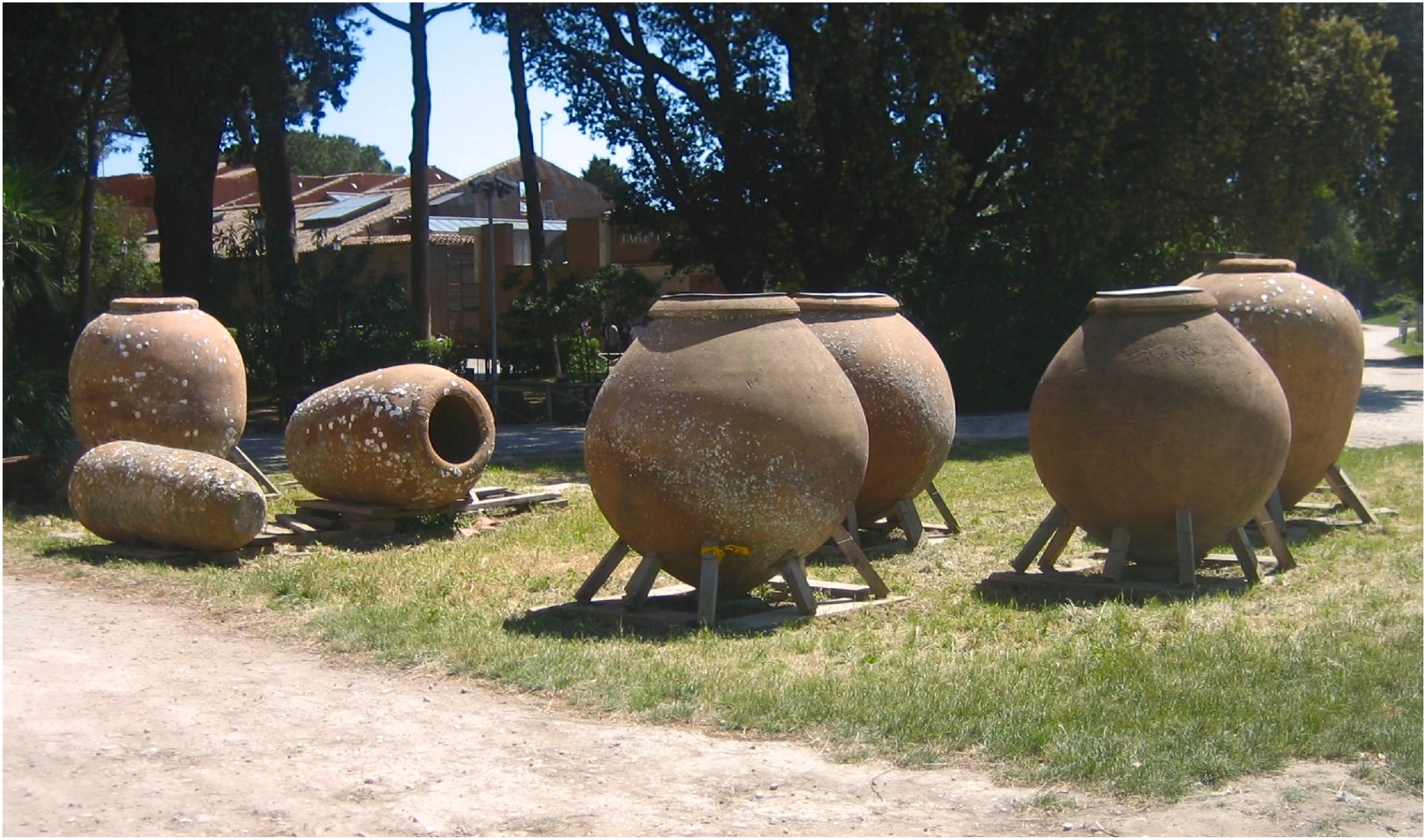 Various dolia from shipwrecks, Ostia. Credit: AlMare / Wikimedia Commons / CC BY-SA 3.0
Archaeological discourse strengthened the fish sauce interpretation. Ostia had progressive sportfishing communities, brackish pans, and inscriptions referencing fishermen and food traders. A azygous past amphora fragment recovered successful Austria carried a painted statement identifying Ostian food sauce.
Jars containing food paste from Ostia person besides been recovered successful confederate France. Cheung noted that Ostia’s geography made it good suited for food merchandise storage, an facet of the city’s system that had gone mostly unrecognized.
Salt pans and food traders bolster the garum retention case
The survey besides shed caller airy connected however Romans maintained these expensive jars. When cracks appeared, craftsmen fitted them with metallic reinforcements shaped similar treble dovetails.
Chemical investigating revealed these fittings were made from pb mixed with metallic and tin, a operation seldom documented successful akin repairs elsewhere. The summation of metallic and tin apt made the repairs harder and much durable than axenic pb alone.
The accordant usage of this metallic substance crossed antithetic warehouses suggests craftsmen successful the portion followed shared oregon standardized methods.
Silver and tin alloy points to deliberate Roman engineering
The jars were engineered for durability from the precise beginning, reflecting some their economical worth and the demands of Ostia’s engaged warehouse operations.
The warehouses day to the 2nd century, and grounds suggests immoderate were aboriginal modified, perchance astir the clip the jars began holding food products.






 Greek (GR) ·
  English (US) ·