
 1 hour ago
15
1 hour ago
15
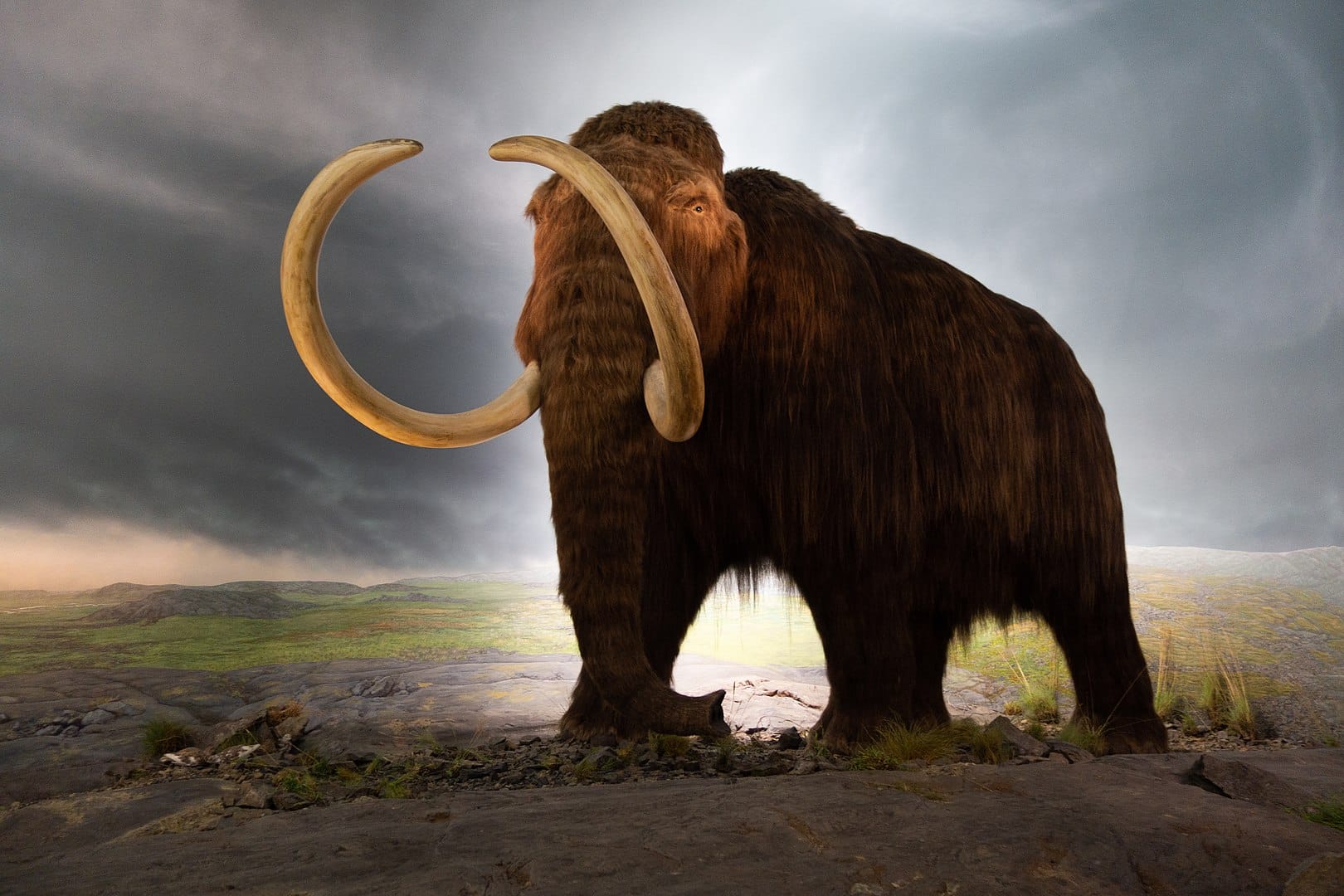 Life restoration of a woolly mammoth astatine Royal BC Museum. Credit: Thomas Quine / CC BY 2.0
Between 50,000 and 10,000 years ago, Earth mislaid galore of its elephantine animals that erstwhile dominated ecosystems crossed continents.
Saber-toothed cats hunted with long, curved fangs. Massive crushed sloths grew arsenic ample arsenic elephants. Woolly mammoths roamed acold regions, with tusks stretching much than 12 feet. In Australia, wombat-like giants weighed up to 3 tons.
For millions of years, these animals shaped landscapes and nutrient chains. Then, successful a comparatively abbreviated period, astir ample mammals—especially those weighing implicit 1 ton—disappeared. Researchers picture this arsenic a large extinction event.
Study finds lasting changes successful nutrient webs
A caller survey shows that the nonaccomplishment did much than trim biodiversity. It reshaped full nutrient webs, altering however taxon interact. The effects are inactive disposable today. The findings were published successful Proceedings of the National Academy of Sciences.
Food webs picture who eats whom successful an ecosystem. When ample taxon vanish, these networks tin displacement quickly. Predators suffer cardinal prey. Herbivores that erstwhile shaped vegetation person disappeared. These changes tin weaken ecosystems and trim their stability.
Researchers analyse planetary predator-prey data
To analyse these patterns, a squad led by Lydia Beaudrot and archetypal writer Chia Hsieh analyzed predator-prey information from 389 sites crossed tropical and subtropical regions successful the Americas, Africa, and Asia.
The dataset included much than 440 mammal species, from ample carnivores to herbivores. By combining information crossed regions, researchers built a clearer representation of however modern nutrient webs function.
Americas amusement the strongest interaction from past losses
The results uncover large determination differences. Food webs successful the Americas incorporate less and smaller prey taxon than those successful Africa and Asia. Predators successful the Americas besides trust connected a narrower scope of prey, with little overlap successful hunting patterns.
The extinction of elephantine animals 10,000 years agone is inactive shaping ecosystems today.
A caller survey shows that losing megafauna didn’t conscionable trim biodiversity. It changed full nutrient webs. The interaction is strongest successful the Americas, wherever ecosystems became little flexible. pic.twitter.com/6mfjnNQmfj
— Tom Marvolo Riddle (@tom_riddle2025) April 28, 2026
Researchers nexus these patterns to earlier extinctions. The Americas mislaid much ample mammals than different regions. Over the past 50,000 years, much than three-quarters of mammals weighing implicit 100 pounds disappeared there.
Loss of prey reshaped ecosystems
In South America, ample herbivores specified arsenic elephantine cervid erstwhile supported predators similar saber-toothed cats and dire wolves. When these prey taxon vanished, nutrient webs became thinner and little connected.
Researchers accidental overmuch of the little portion of the nutrient web was lost. This reduced the travel of vigor done ecosystems and constricted the stableness of predator-prey relationships.
Causes of extinction are inactive debated
Scientists proceed to statement wherefore these animals disappeared. Some constituent to clime alteration astatine the extremity of the past Ice Age. Others item the dispersed of aboriginal humans and accrued hunting pressure.
Despite the uncertainty, researchers hold connected 1 point. The disappearance of these animals near semipermanent marks connected ecosystems.
Findings connection a informing for today’s species
The study besides highlights risks facing modern wildlife. Nearly fractional of each mammals weighing much than 20 pounds are present listed arsenic vulnerable, endangered, oregon critically endangered by the International Union for the Conservation of Nature.
Researchers accidental further losses could trigger akin disruptions successful ecosystems. Beaudrot said the adjacent measurement is to analyse whether past extinctions person made immoderate regions much susceptible today. Hsieh added that studying these patterns tin assistance scientists amended foretell aboriginal changes.







 Greek (GR) ·
  English (US) ·