
 1 week ago
50
1 week ago
50
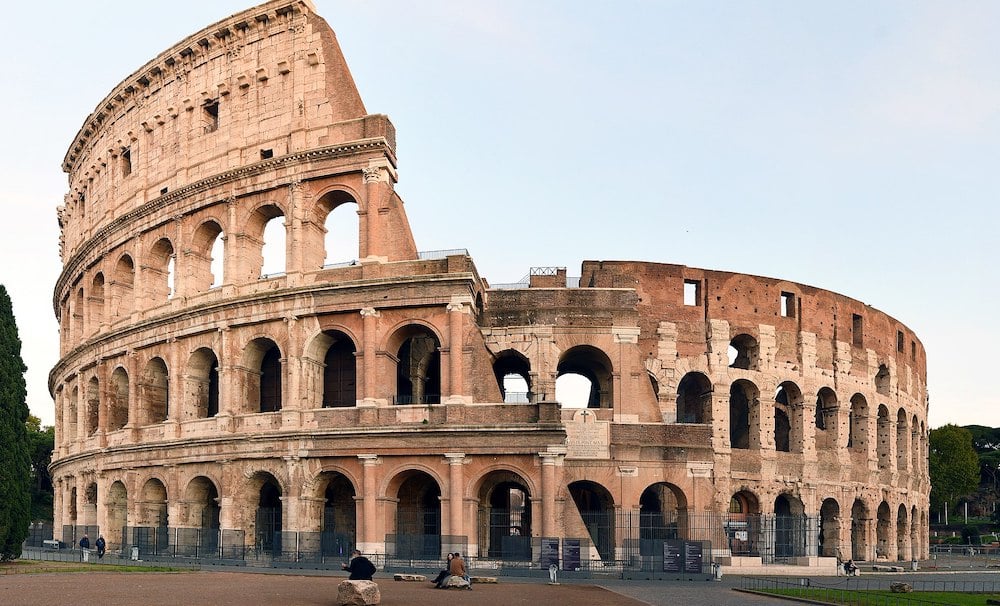 Colosseum. Credit: Featured pics/Wikimedia Commons/ CC BY-SA 4.0
From cuisine, carnal appearance, and linguistic similarities to their monolithic taste interrelationship, Greeks and Italians person truthful overmuch successful common, that 1 would request years to itemize each and each facet of the bonds these 2 arrogant nations stock with each other.
However, determination is simply a celebrated Italian operation that refers to Greeks, and epitomizes this adjacent narration and the bonds of fraternity which undeniably beryllium among the Greeks and the Italians: “Una Faccia, Una Razza.”
Literally translated to “One face, 1 race” and with its Greek saltation being “Mia fatsa, mia ratsa” (Greek: μια φάτσα μια ράτσα), this beauteous Italian operation incorporates the world of centuries of past and taste ties that Greeks and Italians share.
The operation focuses connected the information that galore Italians and Greeks look truthful overmuch alike that it is simply a self-evident impervious that these 2 radical beryllium to the aforesaid taste group.
Although somewhat exaggerated, this is not wholly wrong.
Modern DNA probe has shown that galore radical surviving present successful confederate Italy stock astir identical familial accusation with a bulk of the radical who presently unrecorded successful metropolitan Greece.
And however could that not beryllium existent since question upon question of Greek radical passim past person traveled, lived, and prospered successful the areas of confederate Italy and Sicily successful particular.
Magna Graecia: the communicative of Greeks successful Italy
The communicative of the Greek beingness successful Italy, and consequently, the opening of the recorded relations betwixt these 2 people, began betwixt the 8th and the 7th centuries BC.
At that period, Greeks from crossed the Hellenic lands and Asia Minor began their journeys to the chartless successful what yet became the Greek colonization of antiquity.
Many areas crossed the eastbound seashore and confederate extremity of the Italian peninsula, including astir of the land of Sicily, were gradually inhabited by Greek populations, which established cities successful immense areas of what is present the Italian homeland.
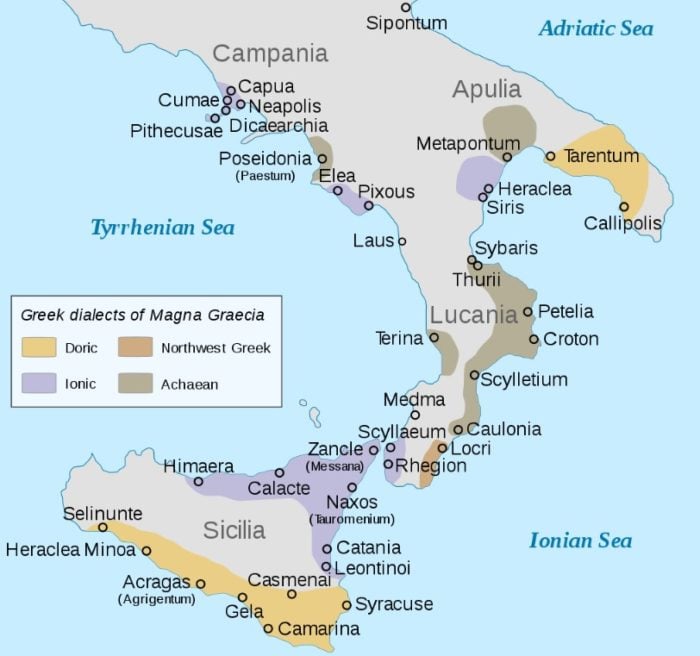 The Greek colonies of confederate Italy. Credit: Wikimedia Commons/Public Domain
Throughout the years of antiquity and up until the autumn of Byzantine regularisation successful confederate Italy astir the eleventh period AD, the confederate portion of the peninsula had ever been a predominantly Greek spot some culturally and linguistically.
The Romans utilized different operation that is adjacent utilized to this time to picture what they viewed arsenic a 2nd Greece established successful their backyards: “Magna Graecia.”
This word virtually means “Greater Greece,” and those who invented the operation were much than close successful utilizing it.
Southern Italy someway managed to clasp its unique, distinctive Greek quality contempt centuries of governmental and spiritual unrest successful the region.
Greeks and Italians successful the Middle Ages
Beginning with the diminution of the Byzantine Empire during the 11th period and culminating with the acheronian time for Hellenism, namely the autumn of Constantinople successful 1453, scores of Greeks again near their homes and recovered harmless refuge successful Italy.
Comprised of predominantly affluent and educated radical but besides immoderate working-class families, they fled Greece to unrecorded successful bluish and confederate Italy.
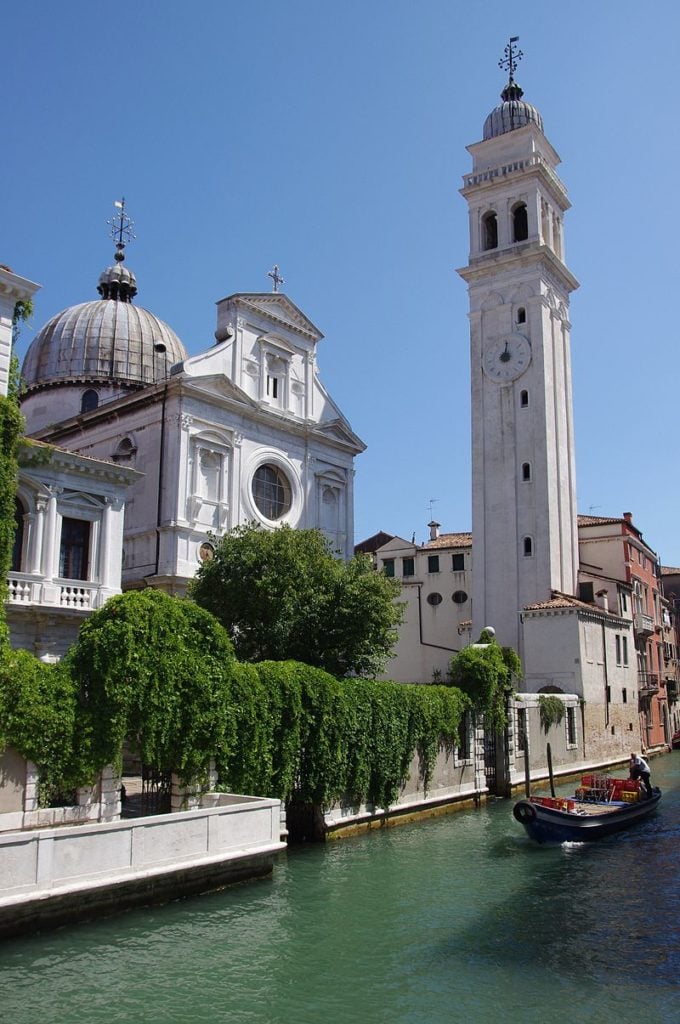 San Giorgio dei Greci, oregon St. George of the Greeks. This is the halfway for Greeks successful Venice. Credit: Jakub Hałun /Wikimedia Commons/CC BY-SA 4.0
Even the large metropolis of Venice, for example, became a caller Greek hub, wherever scholars, architects, politicians, artists, and philosophers played a important relation successful the revival of ancient Greek and Roman intelligence disciplines and traditions, starring to the flourishing of the Renaissance.
Once again, the Italian peninsula recovered itself playing the relation it had played truthful galore centuries successful the past. It was the archetypal spot Greeks would fly to successful bid to past and prosper each clip their motherland suffered from unrest and war.
Modern times: the Griko radical of Italy
However, the centuries betwixt the Middle ages and our times were a play of monolithic “Italization” of the Greeks surviving connected the peninsula.
Gradually but inexorably, twelvemonth aft twelvemonth and decennary aft decade, the Greeks of Italy became much and much incorporated into the Italian reality, losing their connection and adjacent their Orthodox Christian religion by converting to Catholicism.
However, tiny areas of axenic Greek individuality someway managed to past passim the centuries successful galore parts of confederate Italy and particularly successful the regions of Calabria, Apulia, and Salento.
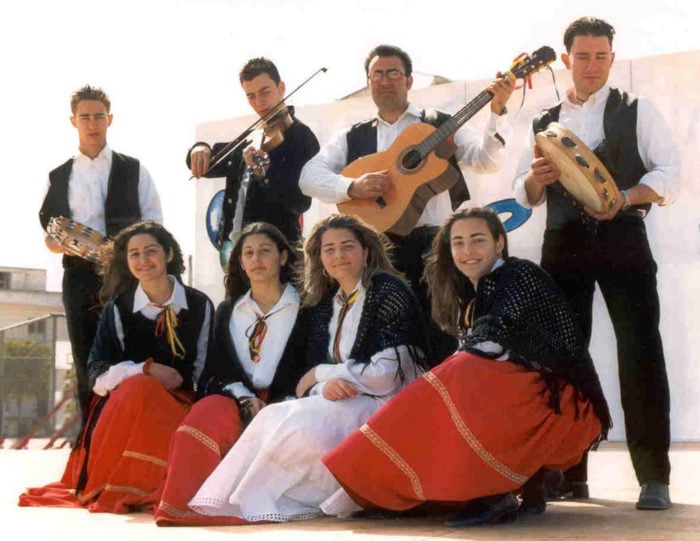 People who beryllium to the “Griko” taste radical successful confederate Italy. Credit: Jebwalwhales/Wikimedia Commons/CC BY-SA 3.0
Thousands of people, without immoderate enactment from the authoritative Greek authorities someway were capable to sphere their customs, traditions, and unsocial dialect, Griko.
Although numbering precise fewer today, radical who telephone themselves “Griko” inactive unrecorded successful parts of confederate Italy.
Their nonstop fig is not clear, but immoderate suggest determination cannot beryllium much than 50 1000 successful full who beryllium to this taste and taste group.
The Italian authorities has recognized the Griko radical not lone arsenic a linguistic number successful the state but arsenic an taste Greek number arsenic well, bestowing connected these chiseled radical a presumption of which they should beryllium justifiably proud.
Today, the Griko are reduced successful numbers, but they are inactive the impressive, surviving remnants of a past that goes backmost thousands of years erstwhile confederate Italy was really portion of “Greater Greece,” a spot of past past and beauty.





 Greek (GR) ·
  English (US) ·