
 1 day ago
13
1 day ago
13
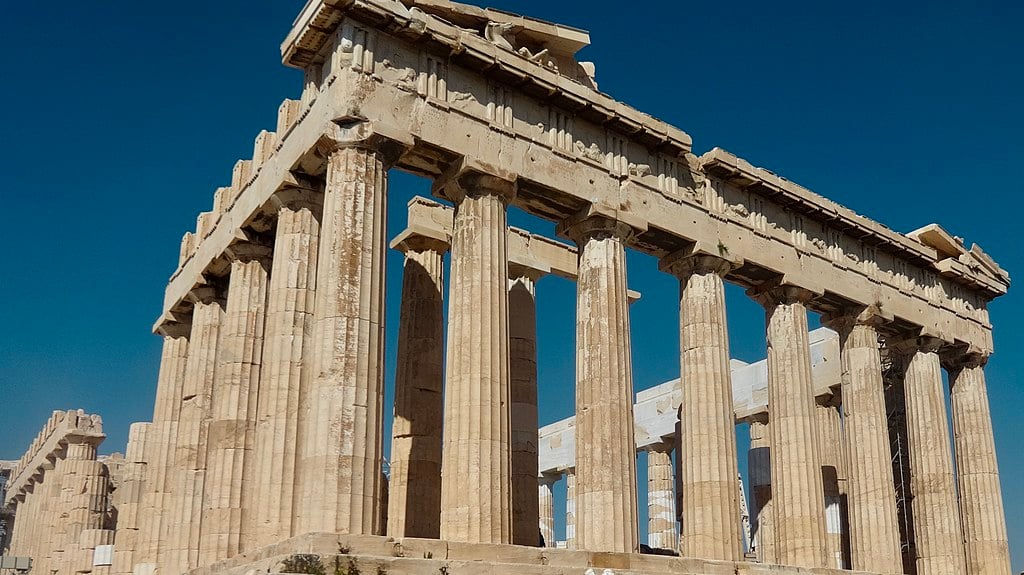 The enigma of the Parthenon’s lighting system, and however past Greeks illuminated the statue of Athena, is yet solved successful a caller study. Credit: Paolina 27 /Wikimedia Commons/CC BY-SA 4.0
The mode the interior of the Parthenon connected the Acropolis of Athens was lit has intrigued historians and archaeologists for years, particularly however the past Greeks illuminated the expansive statue of the goddess Athena Parthenos. Recently, archaeologist Juan De Lara of Oxford University Unveiled the Mystery Behind the Ancient Greek Lighting System Designed to Highlight the Grand Statue.
The colossal statue of Athena Parthenos that adorned the Parthenon—meaning Athena the Virgin successful Greek, hence the temple’s name—was made of ivory and gold. Renowned sculptor Phidias created it successful c. 438 BCE utilizing materials chosen for their luminance.
Parthenon Lightning Explained
De Lara published his survey successful the technological diary The Annual of the British School astatine Athens. An adept successful 3D plan and CGI, helium says that helium has ever been fascinated by the Parthenon “due to its cardinal relation arsenic a notation constituent successful the past of creation and architecture” and however the past Greeks lit the spot that held the 12-meter-high (118 feet) emblematic statue.
Using cutting-edge integer tools, the archaeologist recreated the temple’s structure, including the goddess statue, with a borderline of mistake of lone 2 centimeters (0,79 inches). He past calculated the sun’s presumption astatine antithetic times of the twelvemonth and day, according to values from the 5th period BCE.
He concluded that the prima would look connected the skyline connected the greeting of the Panathenaic procession. Its airy would participate done the temple’s ample door, reflecting connected the statue and amplifying the ocular effect of the earthy lighting, creating a magical and unsocial aura.
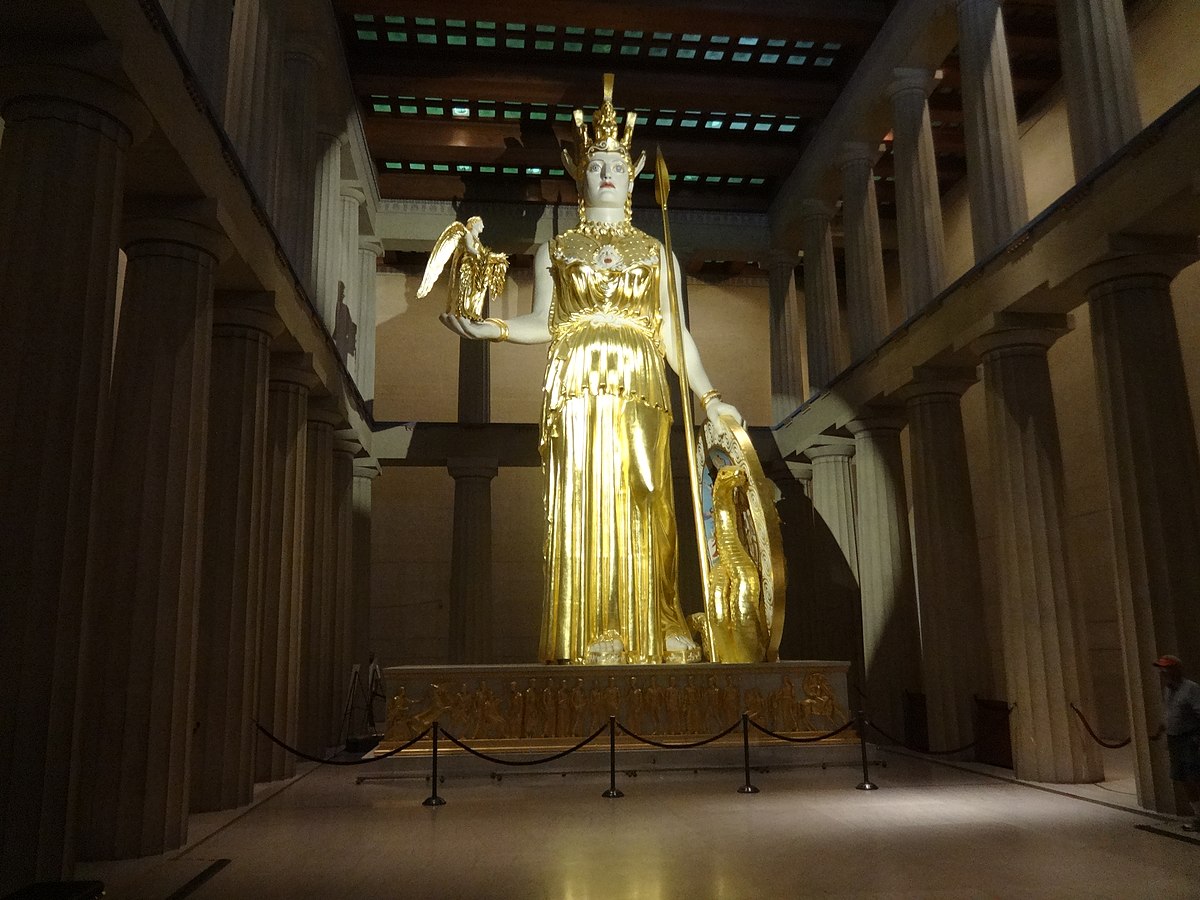 Statue of Greek goddess Athena successful Nashville’s Parthenon. Credit: wikimedia commons / Michael Rivera CC BY 4.0
Temples differed depending connected the deity
De Lara believes that the Parthenon was not lone an architectural feat, but besides an optical one. Almost similar a theatrical stage, it was cleverly designed to redirect light, make ineffable atmospheres, and link the visitant with the divine done peculiar effects, though helium notes it indispensable beryllium emphasized that the temple was rather dark.
De Lara says that the ocular acquisition of each temple successful Ancient Greece and the rituals depended connected the deity worshiped successful the temple. Temples besides varied importantly by factors specified arsenic the cult’s origins and the temple’s geographical context. From the 5th period BCE and moving toward the Hellenistic period, there’s a marked summation successful a conscious staging of the spiritual experience.
After the triumph of the Greeks implicit the Persians successful the Greco-Persian wars, the Athenians built the Parthenon to grant their starring goddess of warfare and wisdom. Though it is temple-like successful structure, the Parthenon had nary authoritative priestess.
The statue of Athena Parthenos was created during the High Classical Greek period, astir the 5th period BCE. This epoch of Greek sculpture is characterized by serene facial expressions, defined cloth drapery, and stark attraction to detail.
The chryselephantine sculpture of Athena successful the Parthenon represents each of these traits. Her look is composed yet powerful, and the cloth of her formal is stylized. The statue depicts the glory of the Golden Age of Athens nether Pericles, and her powerfulness arsenic the goddess of warfare and wisdom.
Athena’s look and arms were crafted from ivory. Curator of antiquities Kenneth Lapatin conducted a elaborate survey of the chryselephantine statue and suggested that Phidias whitethorn person utilized a method involving unrolling the ivory and past softening it, perchance utilizing a controlled heating process, to make veneers that were glued together.
 Reflecting excavation successful beforehand of the statue of Athena wrong the Parthenon. Credit: Greek Reporter, Greek Reporter archive
Materials selected for their inherent luminosity
De Lara suggests that the materials utilized for Athena Parthenos were chosen for their inherent luminosity. Marble, gold, and ivory person this property.
When finely worked and polished, each substance tin bespeak and refract light. Upon entering the Parthenon, 1 observes the ocular effect of dynamic reflectivity: the statue of Athena appears to look gradually from the surrounding darkness—a existent epiphanic vision, De Lara explains.
De Lara says the architectural effect to airy varies betwixt civilizations and religions. Religious systems disagree successful their knowing and usage of light. For instance, the Greek conception of sunlight differs importantly from Egypt’s. Although the 2 civilizations whitethorn stock architectural expressions successful signifier and orientation, their cosmologies differ.
The archaeology prof sees a narration betwixt sunlight, architecture, and spiritual symbolism crossed the Mediterranean basin arsenic portion of a broader taste continuum. He besides says we indispensable adhd Mesopotamia and India to the exchange, regions with important taste and intelligence relations with past Greece.








 Greek (GR) ·
  English (US) ·