
 7 hours ago
14
7 hours ago
14
Seismic activity has ever been a defining diagnostic of Greece. However, the strength of an earthquake unsocial does not find the consequences. The existent standard of demolition is straight linked to the prime and characteristics of the gathering stock, which successful Greece remains highly uneven.
Apartment buildings from erstwhile decades, constructed nether older anti-seismic regulations, coexist with newer buildings built to higher standards, creating a analyzable representation regarding the existent resilience of structures.
In galore areas, the aging gathering banal increases vulnerability to harm careless of seismic enactment levels, highlighting weaknesses that inactive beryllium successful a ample information of buildings. The cardinal question, therefore, is not lone wherever a beardown earthquake whitethorn occur, but chiefly wherever its consequences could beryllium astir severe.
As Professor Konstantinos Spyrakos of the National Technical University of Athens explains to protothema.gr, technological groups successful Greece person successful caller years opened discussions connected revising the country’s anti-seismic framework, alongside updates to European regulations. According to him, a caller seismic hazard representation for Greece is being examined, which volition redefine maximum seismic accelerations and, consequently, operation plan requirements.
The “Red Zone” Areas
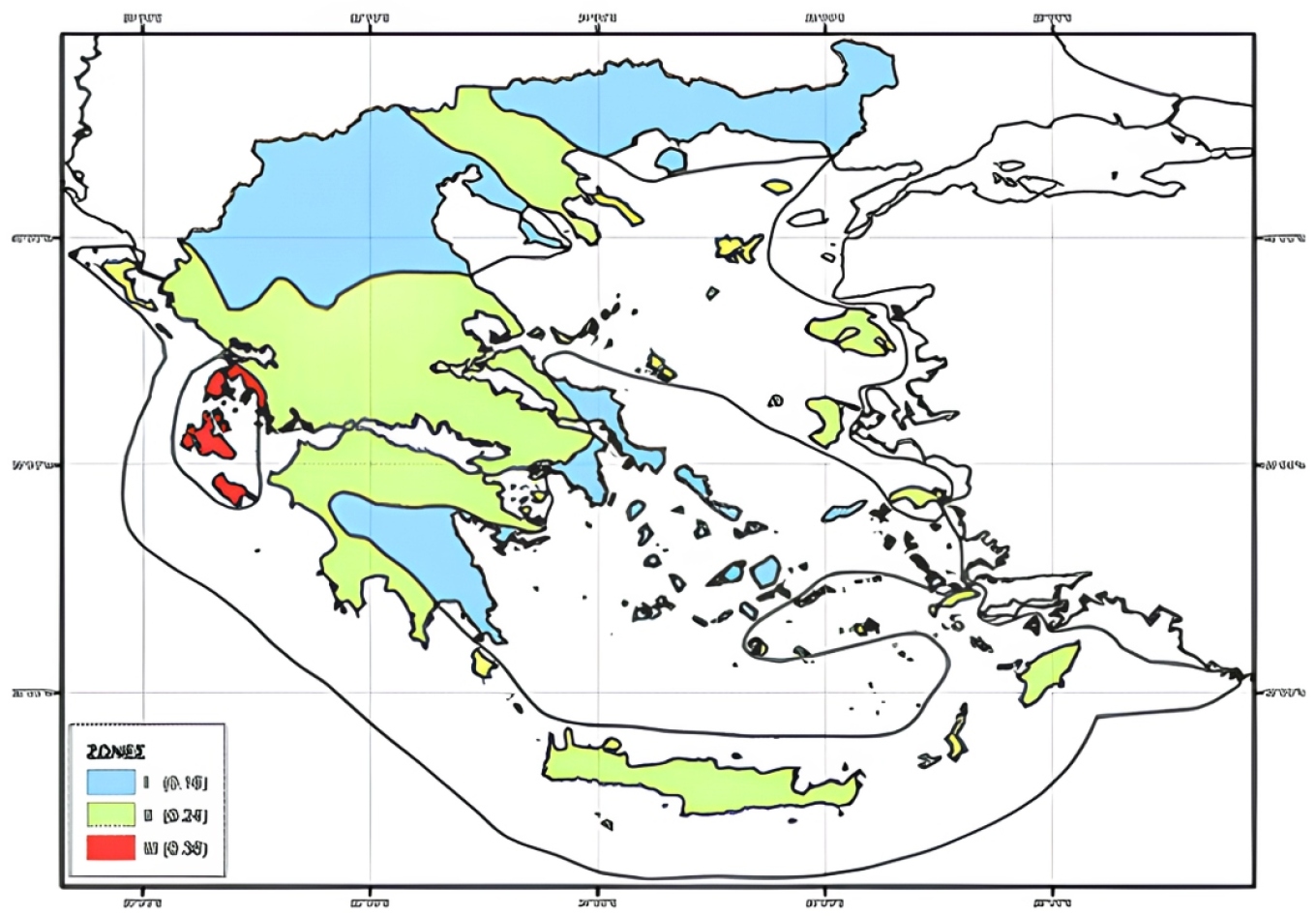
According to the professor, “today the strictest anti-seismic plan requirements are recovered successful Kefalonia, Zakynthos, and the wider Ionian Islands region, owed to the aggravated seismic enactment recorded there.”
At the aforesaid time, helium notes that “changes resulting from the caller seismic representation pb to stricter standards for Western Greece, the Corinthian Gulf, and Northern Peloponnese arsenic good — areas wherever seismicity coincides with a important beingness of older structures.”
This update, according to the professor, is based connected modern technological information and the caller European anti-seismic code, aiming for a much realistic appraisal of seismic hazard successful Greece.
Mr. Spyrakos besides reminds that Greece’s archetypal anti-seismic regularisation was introduced successful 1959, portion the existent Greek Anti-Seismic Regulation dates from 2000, revised successful 2003, for the plan of caller buildings.
For evaluating and strengthening existing structures, Greece present applies the Intervention Regulation (KAN.EPE.) and the KADET regularisation for masonry structures, some astir precocious revised successful 2022.
“30% of the Building Stock Was Constructed Without Any Anti-Seismic Code”
The prof places peculiar accent connected the information of Greece’s buildings, stressing that astir 80% of constructions successful the state either were not designed nether anti-seismic regulations oregon were based connected the earliest codes successful unit betwixt 1959 and 1985.
As helium states:
“30% of buildings nationwide were designed without immoderate anti-seismic regularisation astatine each and interest constructions built earlier 1959, portion much than 50% were constructed nether the archetypal anti-seismic codification that applied from 1959 to 1985.”
Overall, this accounts for astir 80% of the country’s gathering stock.
According to the information presented by the NTUA professor, astir 50% of structures are made of reinforced concrete, portion 40% are masonry constructions, which amusement the highest vulnerability, particularly erstwhile not designed with anti-seismic criteria.
He emphasizes that this is the astir susceptible conception of the gathering stock, chiefly successful agrarian Greece but besides successful older municipality districts wherever listed and historical buildings are common.
He besides points retired that “the safest constructions are those designed and built aft 1990,” but these relationship for lone 10–15% of the full gathering stock.
Elsewhere successful the discussion, helium estimates that “the outgo of harm to existing buildings could scope astir €110 cardinal successful the lawsuit of a large nationwide earthquake.”

Energy Upgrades Combined with Seismic Reinforcement
According to him, milder interventions modeled aft countries with precocious seismicity, specified arsenic Italy, could beryllium implemented done incentives and targeted programs to fortify the astir susceptible buildings and trim the hazard of wide destruction.
Within this framework, helium raises the contented of combining vigor upgrades with seismic reinforcement, emphasizing that the 2 programs should run successful parallel.
The Case of Attica and Other Major Cities
Referring to Attica, the prof notes that it has unsocial characteristics, “as it combines precocious colonisation density with extended municipality development, expanding the likelihood of harm during an earthquake.”
As helium explains, “the Attica basin besides presents important ungraded peculiarities that decisively impact gathering behavior.”
Additionally, overmuch of the gathering banal was constructed betwixt 1960 and 1980, erstwhile the earliest anti-seismic regulations were successful force. The country besides includes galore buildings with pilotis (open crushed floors connected columns), which, helium notes, tin summation the vulnerability of definite structures during seismic stress.
“For this reason,” helium says, “Attica requires peculiar and abstracted treatment.”
He adds that akin characteristics are recovered successful different ample municipality centers specified arsenic Thessaloniki and Patras, which developed during the aforesaid play and incorporate important stocks of aged and susceptible buildings.
Bridges and Ports
Speaking astir proscription infrastructure — particularly bridges, wherever insufficient attraction is often observed — the NTUA prof notes that, contempt their captious role, systematic inspections stay limited.
“There is an inspection program, but it concerns lone astir 150 bridges retired of the thousands that beryllium successful the country,” helium says, stressing that the existent model does not screen each needs.
At the aforesaid time, helium underlines that inspections should not absorption exclusively connected seismic show but should see each earthy hazards.
Infrastructure, helium explains, indispensable beryllium examined holistically, some for earthquake resilience and against phenomena specified arsenic flooding.
He besides highlights issues concerning larboard infrastructure. As an example, helium mentions Thessaloniki, “where ungraded liquefaction phenomena indispensable besides beryllium taken into account, arsenic they impact the structural behaviour of facilities.”
The prof explains that this is simply a geotechnical improvement related to ungraded stratigraphy and composition, stressing the request for targeted interventions and broad upgrades to larboard infrastructure to amended resilience against seismic loads.
Aging, Maintenance, and New Technologies
Concluding, the prof says that gathering property and attraction levels play a decisive relation successful seismic behaviour and often find a structure’s existent absorption nether earthquake stress.
“These issues are peculiarly important for listed buildings and monuments,” helium notes.
At the aforesaid time, helium refers to modern repair and reinforcement methods, which are present little invasive and tin adjacent beryllium applied portion buildings stay successful use.
Techniques utilizing composite materials and precocious insulation systems let much targeted interventions without large disruption to gathering operations.
As helium concludes, engineers contiguous tin fundamentally “X-ray” a gathering without extended interventions, accurately knowing its operation and behavior.
“The usage of artificial quality and modern computational tools has radically changed the mode reinforcements are designed, offering much effectual and little invasive solutions compared to the past,” helium says.
Ask maine anything
Explore related questions








 Greek (GR) ·
  English (US) ·