
 2 hours ago
9
2 hours ago
9
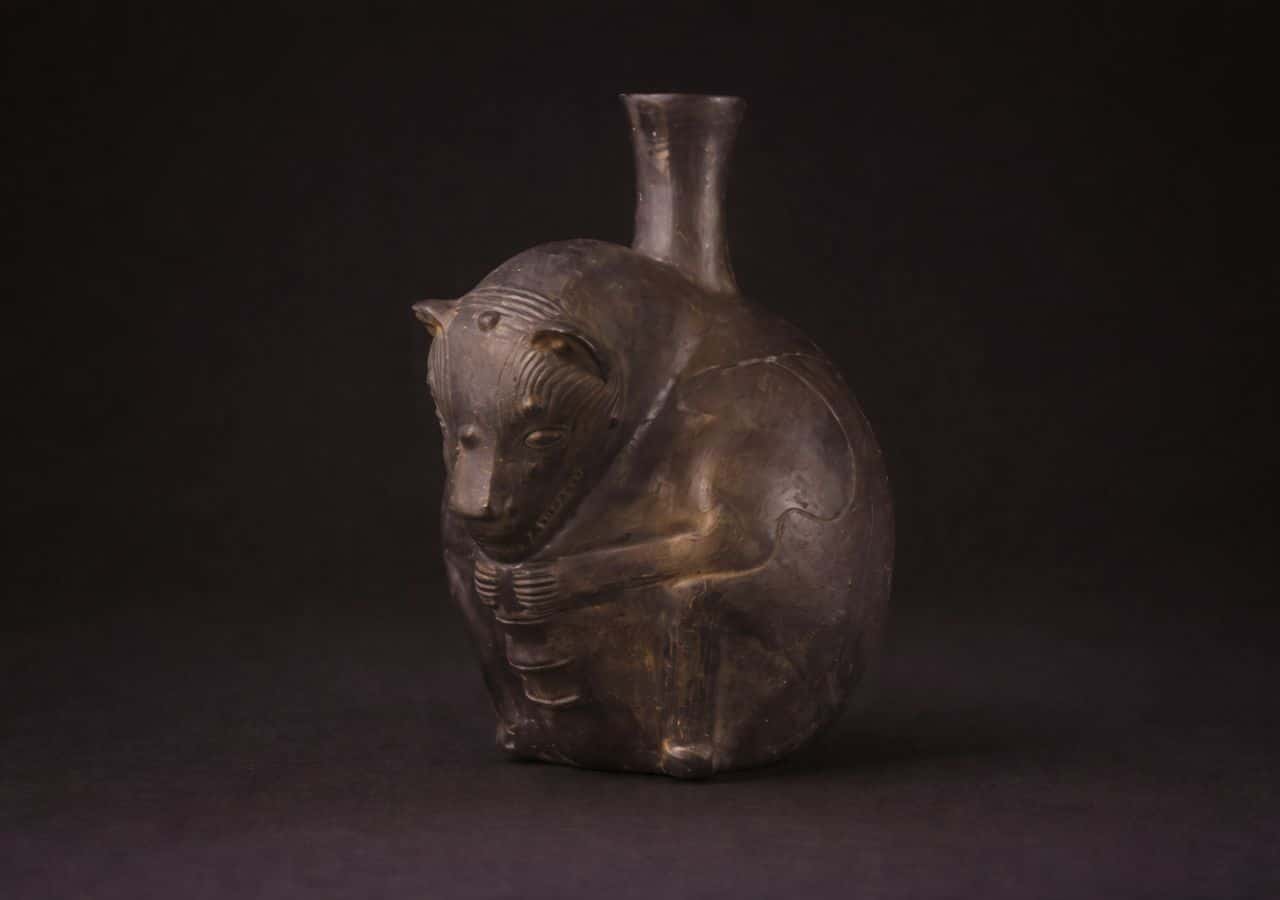 Anthropomorphic ceramic vas depicting a Peruvian Hairless Dog. Credit: Weronika Tomczyk / CC BY-NC 4.0
Archaeologists moving astatine the Wari tract of Castillo de Huarmey successful Peru person recovered what they accidental is the archetypal faunal grounds of Peruvian hairless dogs, offering a uncommon look astatine however past dogs lived with radical successful 1 of the Andes’ earliest ample empires.
The study suggests these animals were not a single, azygous group. Instead, they filled antithetic roles successful regular beingness and ritual, from imaginable moving dogs to scavengers, companions, and funerary offerings.
The probe was led by Weronika Tomczyk of the Department of Anthropology astatine Dartmouth College successful the United States and published successful the Journal of Anthropological Archaeology.
The survey focused connected canine remains recovered from Castillo de Huarmey, a ceremonial, administrative, and funerary halfway of the Wari Empire connected Peru’s northbound coast, dated to astir 600 to 1050 CE. Researchers combined modular zooarchaeology with multi-isotopic investigation to reconstruct however idiosyncratic dogs lived, moved, and ate.
First grounds of Peruvian hairless dogs
They identified astatine slightest 20 dogs astatine the site. Most were adults, but the remains besides included puppies and 1 older male. Some bones came from mixed deposits disturbed by looting. Others came from much circumstantial burial settings.
A puppy was buried with the alleged Master Basketmaker, an elite craftsperson. Another puppy was buried with a antheral believed to person served arsenic a tomb guardian. A partial big canine skeleton was recovered with a teenage kid successful a palatial context.
Standing gangly against the ineffable walls of Machu Picchu, this magnificent Peruvian Hairless Dog (Peruvian Inca Orchid) embodies the tone of the Inca Empire. With its striking hairless form, alert ears, and almighty gaze, it's a surviving relic of a affluent taste history. pic.twitter.com/aNhpT5OMlr
— Tom Marvolo Riddle (@tom_riddle2025) April 15, 2026
Those burials stood out. Researchers said they constituent to an ideological oregon ceremonial relation for immoderate dogs, not conscionable a applicable one. The findings besides suggest dogs whitethorn person acted arsenic psychopomps, animals believed to usher the dormant to the afterlife, an thought known from aboriginal Andean traditions.
The squad besides reported 3 animals that were tentatively identified arsenic Peruvian hairless dogs, an Indigenous Andean breed present regarded arsenic portion of Peru’s taste heritage.
Burial clues constituent to ritual status
The lawsuit rests connected a premix of evidence, including missing teeth accordant with the familial information tied to hairlessness. In 1 people mummified dog, preserved tegument showed sparse light-colored hair, a trait seen successful modern hairless breeds. Researchers were cautious not to overstate the claim, noting that missing teeth unsocial cannot beryllium a canine was hairless.
The isotope results showed that astir dogs lived locally and depended connected food systems intimately tied to humans. But their beingness histories were not the same. One canine had a strikingly antithetic fare that whitethorn constituent to enactment linked to camelid movement, hunting, oregon caravan activity. Others look to person lived disconnected quality nutrient waste.
The astir antithetic signifier progressive the suspected hairless dogs. As puppies, they showed tightly clustered isotope values that resembled those of quality children, suggesting they were fed successful a chiseled mode aboriginal successful life.
Puppy diets suggest peculiar aboriginal care
As adults, their diets became much varied. Researchers said that the signifier whitethorn bespeak peculiar attraction oregon organized breeding, though they stressed that the illustration is inactive small.
The survey argues that archaeologists should widen the thought of “companion species.” At Castillo de Huarmey, dogs were not conscionable pets successful the modern sense. They lived with people, fed from quality environments, moved done enactment and ritual, and successful immoderate cases were buried with the dead.






 Greek (GR) ·
  English (US) ·